
FOR BEST EXPERIENCE - PLAY AUDIO FOR READING AMBIANCE
TREATY OF BRUSSELS
22 JANUARY 1948
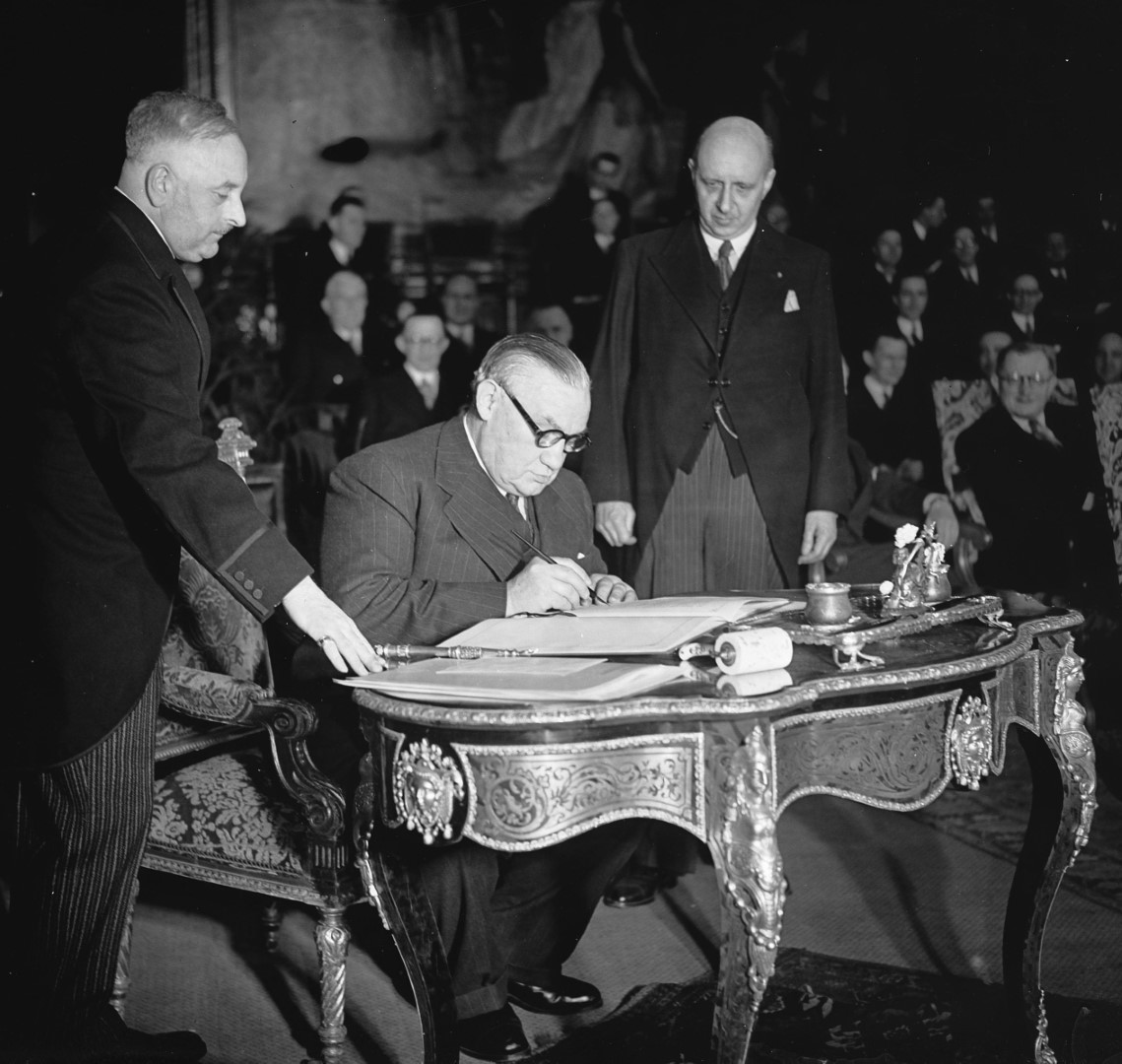
British Foreign Secretary Ernest Bevin proposes the formation of a Western Union which led to the Treaty of Brussels, which was a countermeasure aimed towards Russian expansion and aggression. The Treaty of Brussels is signed on March 17. This is a predecessor to the formation of the North Atlantic Treaty Organization (NATO). The reaction by the Russians beginning in mid-January is to interrupt traffic to the Berlin, to the western allies (USA, UK, and France) because of “technical problems."
VOICE OF AMERICA JAMMED
1 FEBRUARY 1948

On February 1, 1948, Soviet authorities took a decisive step in the burgeoning Cold War by initiating efforts to jam the broadcasts of the Voice of America (VOA). At that time, VOA was a key instrument of U.S. public diplomacy, broadcasting news and perspectives that championed democratic ideals and free expression—messages that the Soviet regime viewed as ideologically subversive. Concerned that these Western narratives could inspire dissent and erode the tightly controlled flow of information within its borders, the Kremlin saw jamming as a necessary countermeasure. By disrupting the VOA signals, the Soviets aimed to limit the influence of American propaganda, thereby protecting their own narrative and consolidating control over public opinion in an era marked by intense political and cultural rivalry.
FORMATION OF WEST BERLIN
16 February - 5 March 1948
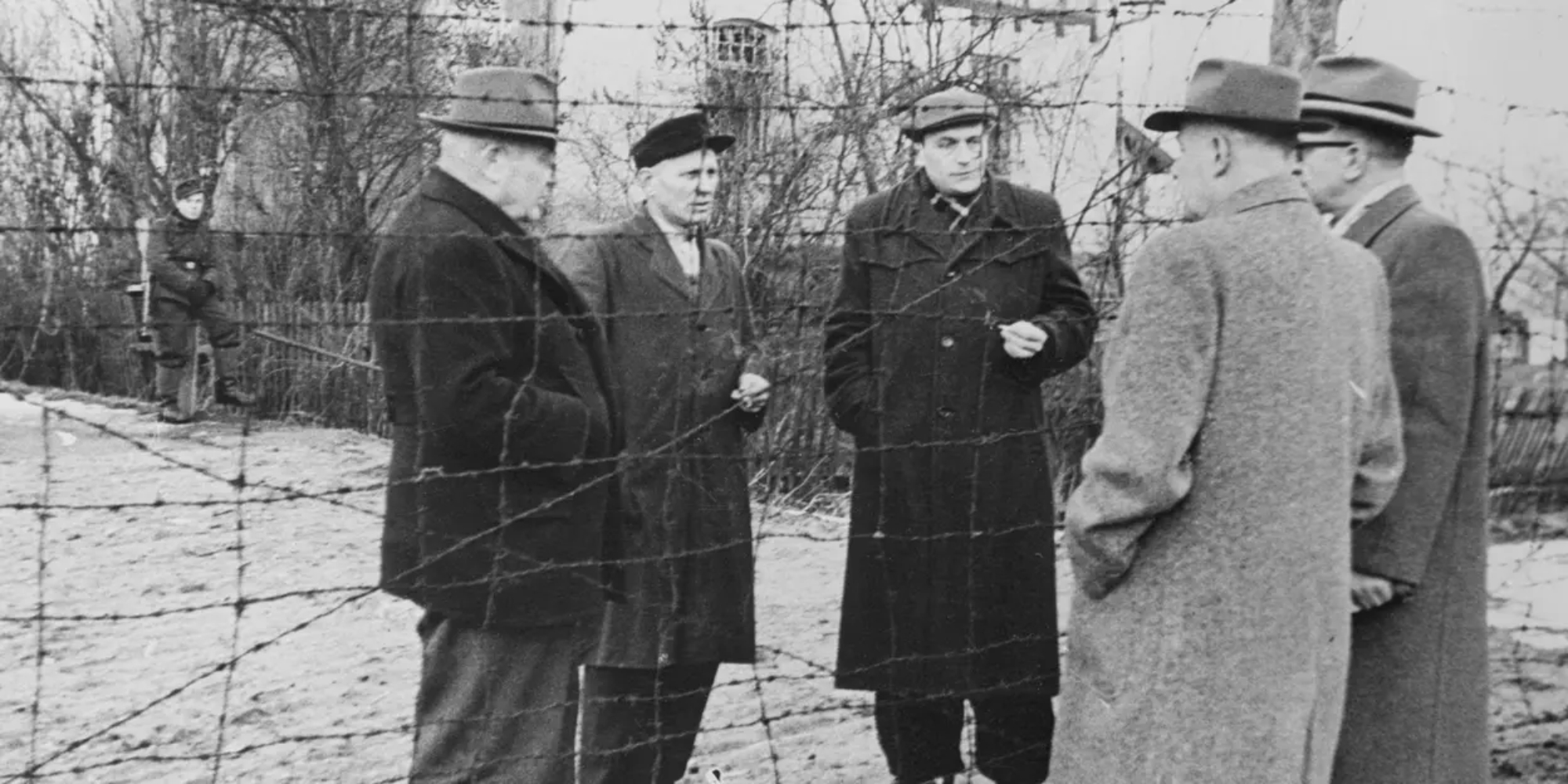
Because of constant Russian inspired turmoil in Berlin, plus no agreement
toward reunification, England and the United States meet in London and agree to consolidate their Berlin Sectors and call it West Berlin. They also agree to consolidate their Zones and establish a West German government with Bonn as the capital. France was initially reluctant to participate due to political changes in Paris, however, eventually France agrees in June of that year.
West Berlin and West Germany governments were to be established by Germans for Germans without allied military participation. Also, a new currency is issued to stimulate the economy. While this conference is going on the Communists take over the Czechoslovakia.
FORCING THEM OUT
9 MARCH 1948
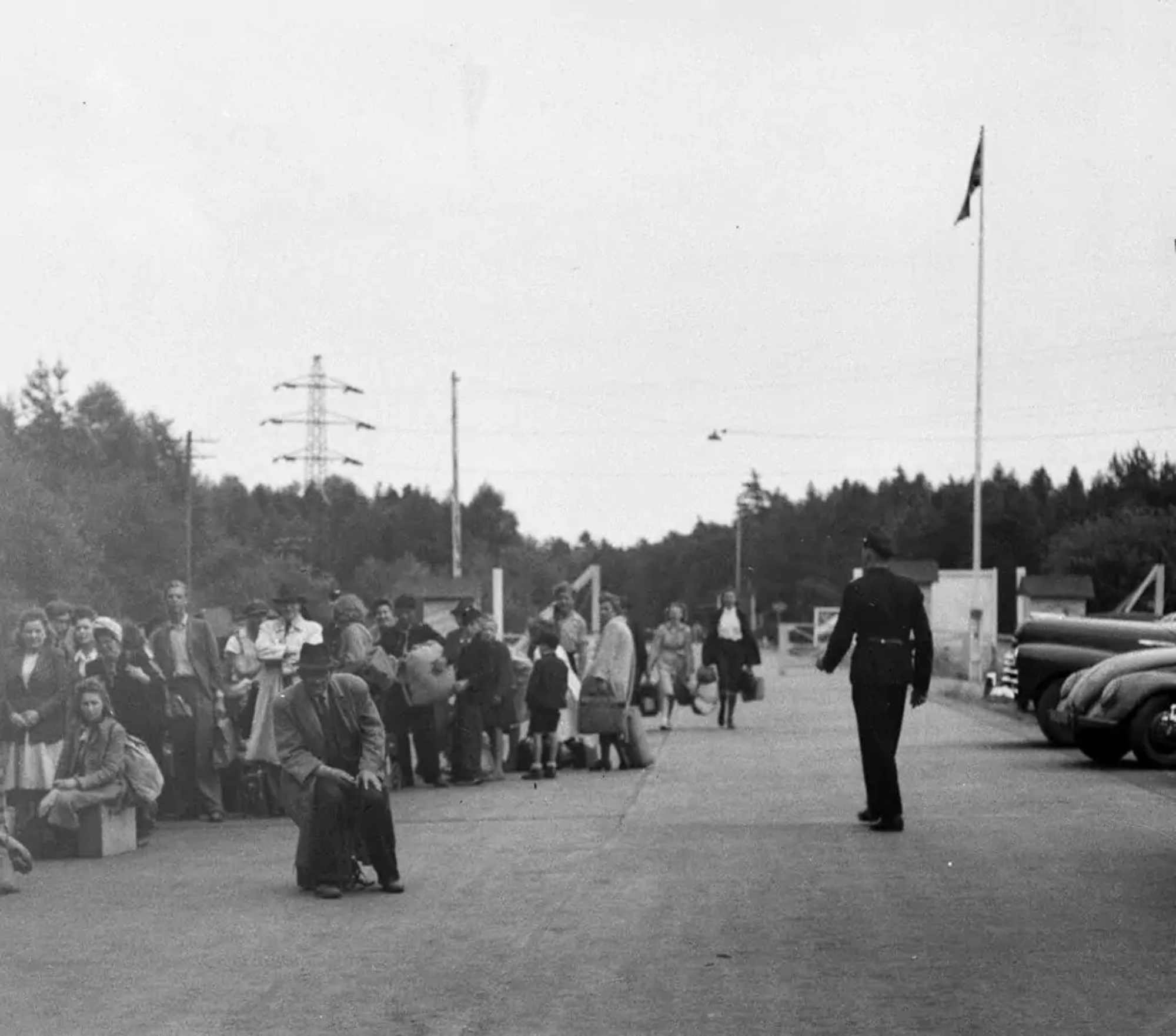
Soviet leaders in Germany are called back to Moscow for a meeting. At this meeting Soviet leader Joseph Stalin reportedly said, "Let’s see if we can force them out." They returned on the 12th of March with instructions to regulate military access to and from Berlin.
Highway traffic on the Autobahn is interrupted, trains are stopped for searches and canal traffic is also harassed. These restrictions also increased on the one railroad line in to Berlin, the one road in, and all canals. The restrictions continued right up to the full blockade on June 26. The purpose of this effort was to eject the Western Allies from Berlin.
MURDER OF JAN MASARYK
10 March 1948
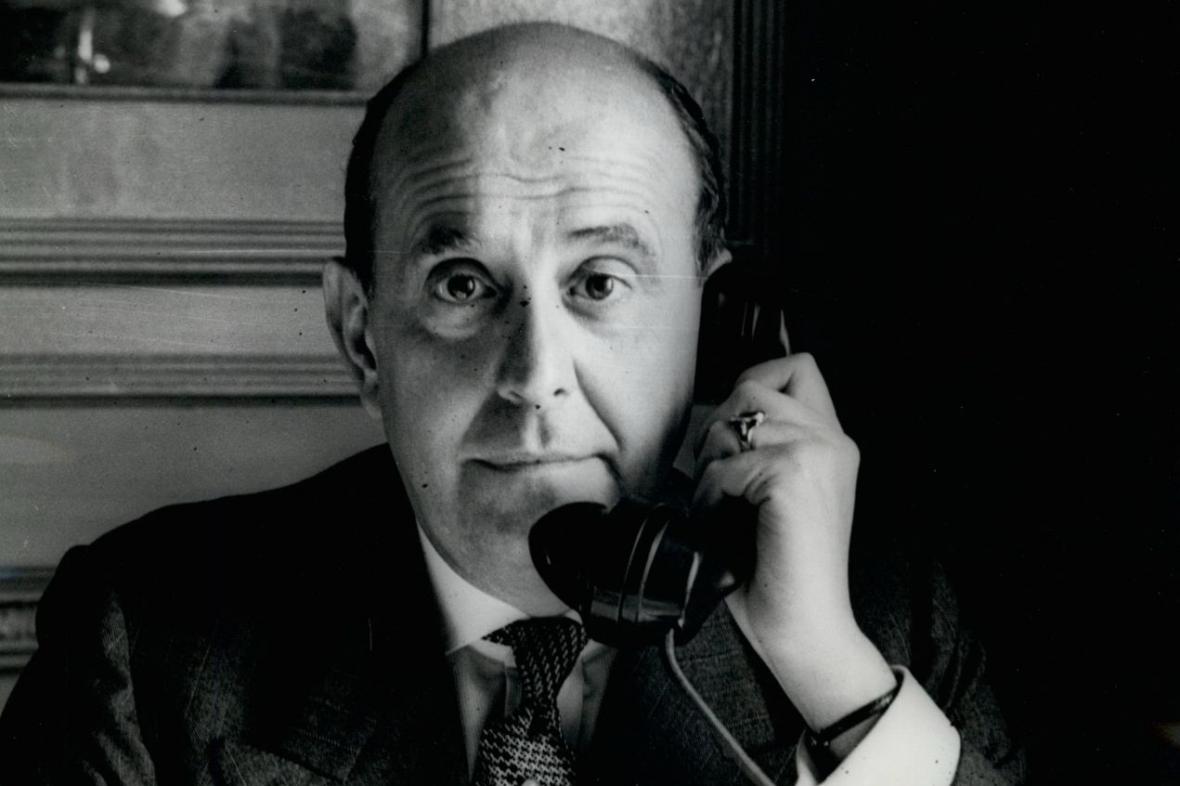
Jan Masaryk, born in 1886, was the son of Tomáš G. Masaryk, the first president of Czechoslovakia. Following World War I, he became foreign minister in the newly established Czech government, later serving as ambassador to Great Britain. During World War II, he resumed his role as foreign minister, this time for the Czechoslovak government-in-exile based in London. After the war, Masaryk returned home to serve under President Eduard Beneš as foreign minister during a period of growing tension. With Soviet troops occupying Czechoslovakia and fears mounting that the USSR would enforce communist control—as it had in Poland and East Germany—Masaryk worked diplomatically to reassure the Soviets that a democratic Czechoslovakia did not threaten their security.
However, in 1947, Masaryk made a fateful move by expressing interest in joining the U.S.-backed Marshall Plan, aimed at rebuilding postwar Europe. The Soviets rejected the idea outright. Just months later, in February 1948, a communist coup forced President Beneš to accept a government dominated by communists. Masaryk remained one of the few non-communists in office. On March 10, 1948, the government announced that Masaryk had taken his own life by jumping from a third-story window of the Foreign Ministry.
The news was met with suspicion in the West. U.S. Secretary of State George Marshall described Czechoslovakia as being under a “reign of terror,” and saw Masaryk’s alleged suicide as a stark signal of communist oppression. While many have suspected that Masaryk was murdered by the new regime, no conclusive evidence has ever surfaced, and his death remains one of the Cold War’s enduring mysteries.
ALLIED CONTROL COUNCIL DISSOLUTION
20 March 1948
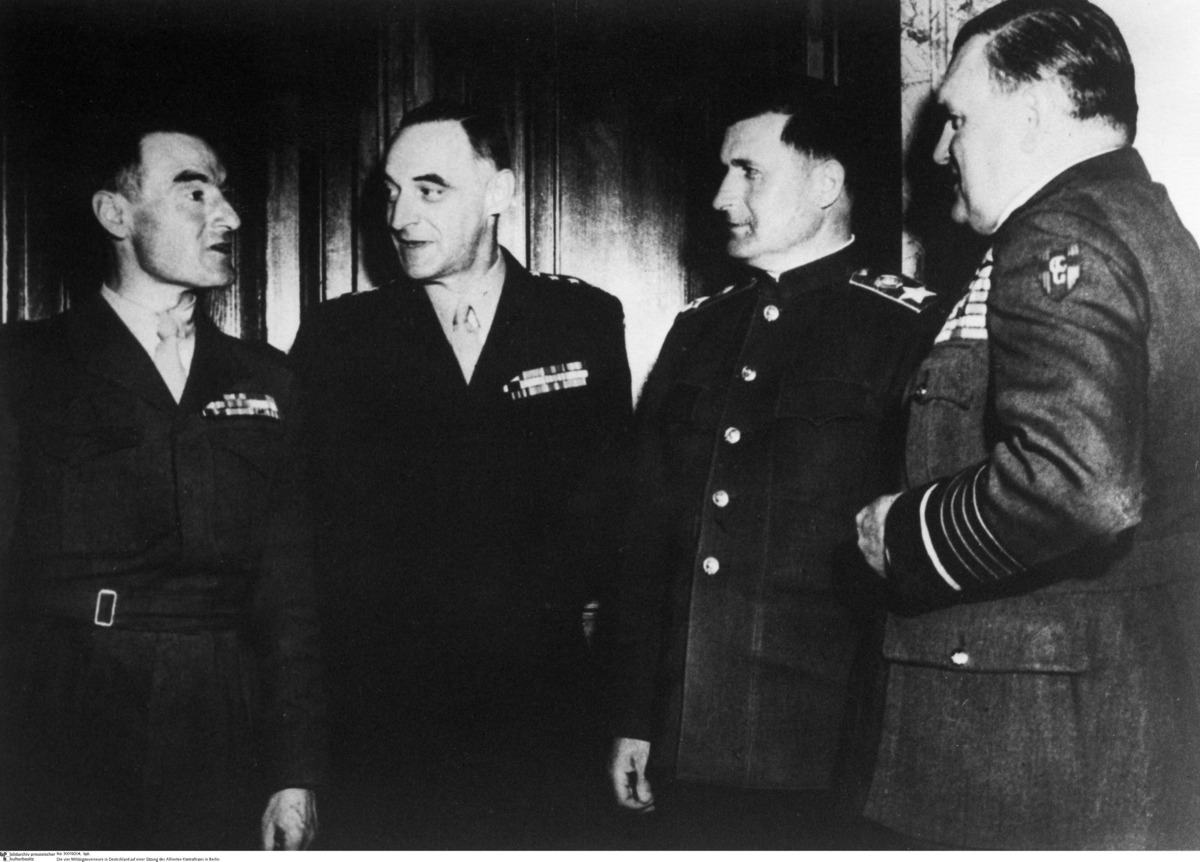
Military Governor William S. Douglas (Great Britain, at right), Military Governor Lucius D. Clay (USA, second from left), and Deputy Military Governor Charles Jean Roger Noiret (France, at left) and Soviet military governor, Marshal Vasily Sokolovsky (pictured 2nd from right)
On March 20, 1948, the Soviet military governor, Marshal Vasily Sokolovsky (pictured 2nd from right), walked out of the Allied Control Council in Berlin. This action was a protest against the Western Allied powers' plans for Germany, specifically their prospective moves towards creating a West German state. Sokolovsky accused the Western powers of undermining the quadripartite control established by the Potsdam Agreement. Their actions, such as holding a London Conference on Germany without Soviet involvement and introducing a new currency in the Western zones without Soviet consultation, were seen as violating the agreed-upon framework for post-war Germany. The walkout effectively immobilized the Allied Control Council, as all decisions required unanimous agreement. This breakdown in cooperation directly led to increased tensions and ultimately paved the way for the establishment of separate East and West German states. The subsequent Berlin Blockade, launched by the Soviets, was a direct consequence of this growing conflict and the Western Allies' actions regarding a West German state.
NOTE: General Sokoloski phoned General Clay the next day and told him the walkout was nothing personal.
THE ALLIED CONTROL COUNCIL
The Allied Control Council was a governing body formed after World War II to administer Germany, which was split into four occupation zones controlled by the United States, the Soviet Union, Great Britain, and France. Based in Berlin, it was responsible for decisions concerning Germany's reconstruction, war crimes, and the shift from military to civilian rule. While it influenced the political future of post-war Germany and the eventual division into East and West Germany, the Council's structure, which required unanimous agreement among the four powers, often resulted in stagnation and hindered its effectiveness, particularly as Cold War tensions rose.
HELMSTEDT AUTOBAHN AID STATIONS CLOSED
28 March 1948
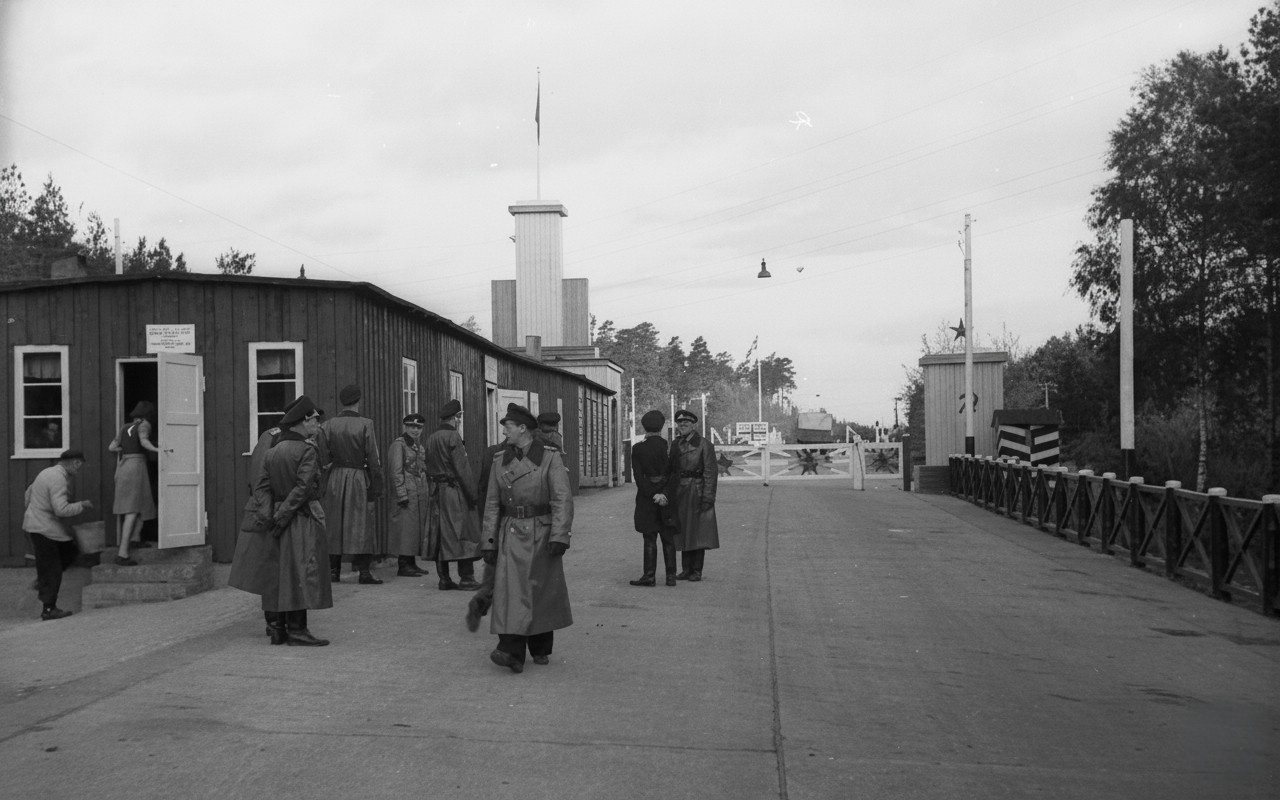
Checkpoint on Helmstedt Autobahn during the Berlin Airlift.
Russians ask the British and Americans to evacuate their two emergency aid stations on the Berlin to Helmstedt autobahn by the end of April.
First, the Soviets demanded the closure of the American transport first-aid station on the Berlin-Helmstedt highway. Then they ordered the withdrawal of the U.S. Army Signal Corps teams responsible for maintaining the long-distance cables running through the Soviet Zone to the U.S. Zone. These were the initial steps in what French President Vincent Auriol termed a “small war of pinpricks."
STRICTER REGULATIONS FOR TRAVEL AND FREIGHT
30 March 1948
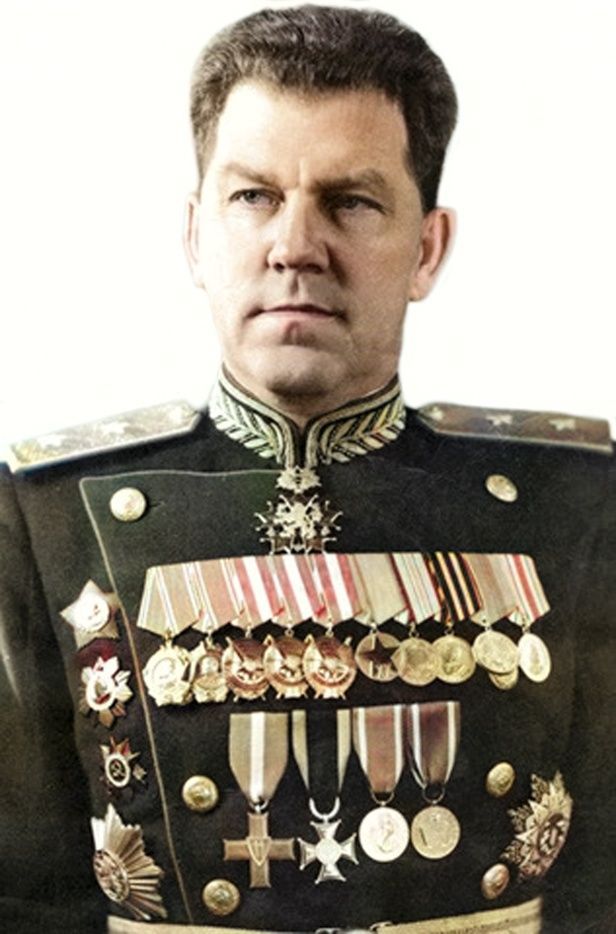
Soviet General Mikhail Ivanovich Dratvin was the Deputy Chief of the Soviet Military Administration in Germany
In 1948, Soviet General Mikhail Ivanovich Dratvin was the Deputy Chief of the Soviet Military Administration in Germany, playing a key role in implementing new restrictions during the early stages of the Berlin Blockade. He notably sent a letter on March 30, 1948, to the American, British, and French military governments, outlining new, stricter regulations for travel and freight between the zones, which went into effect on April 1, 1948. These measures were a significant part of the Soviet Union's actions against the Western Allies in the tense post-war period.
Under the new order, no cargo could leave Berlin by rail without the Soviet commander’s permission, and each train and truck was to be searched by Soviet authorities. In response, on April 2, Gen. Lucius Clay, the U.S. commander in Germany, halted all military trains to Berlin, requiring that supplies to the military garrison there would henceforth be transported by air.
This was reported by an unknown source in an article:
"A visit to the new Russian control post a few miles outside the perimeter of Berlin was rewarding. It is situated opposite the village of Nowawes on the autobahn and it is a scene of intense activity. My car was stopped by a group of five Russian officers, with a colonel in charge. On the road there are double barriers, and arc-lamps are being installed ten feet above. Two sentry boxes have been built so far and German workmen were busy on fresh constructions. In five minutes I counted eight Russian officers and about thirty Russian soldiers at and around the control post. English-speaking Russian officer there is examining all vehicles. He stated that Allied civilians and military could continue on their way if they carried Russian translations of their official documents. Allied cars might carry “personal luggage,” but the carriage of all freight must be authorised by the British authorities and countersigned by the Russian commandant in Berlin. A Russian colonel maintained that no new regulations were being put into force but that the agreement for the control of the international highway dated from the end of 1945."
ALLIED BARGES HELD AT BOCKHORST
31 March 1948
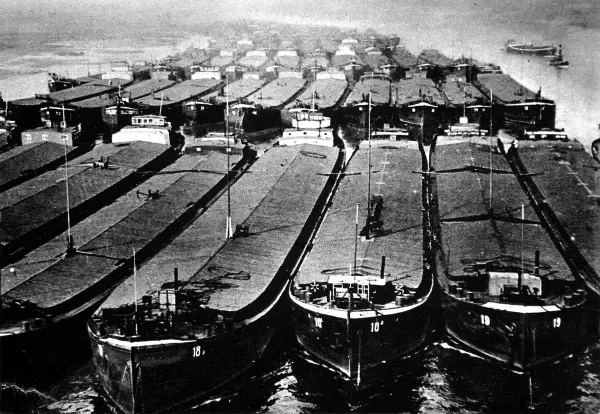
German canal barges in 1948.
Russians set up a new checkpoint near Berlin and detain Allied freight consignments. Nine British licensed canal barges are held at Bockhorst, Germany.
ALL TRAINS STOPPED
1 APRIL 1948
Soviets assert a right to board any and all trains heading for Berlin to inspect freight and check identity papers and also close all roads to Berlin. General Clay of the United States and British General Sir Brian H. Robertson sent 5 trains toward Berlin to test the Soviet resolve. Four of the trains were stopped and subsequently sent back to their zone by Soviet engines. One American trainmaster allows the search of his train and proceeds to Berlin. General Clay orders all trains stopped.
From April onwards Western licensed barge skippers on the German-wide network are detained, “because their papers are not in order." All barge traffic is brought to a standstill.
THE LITTLE LIFT
2 APRIL 1948
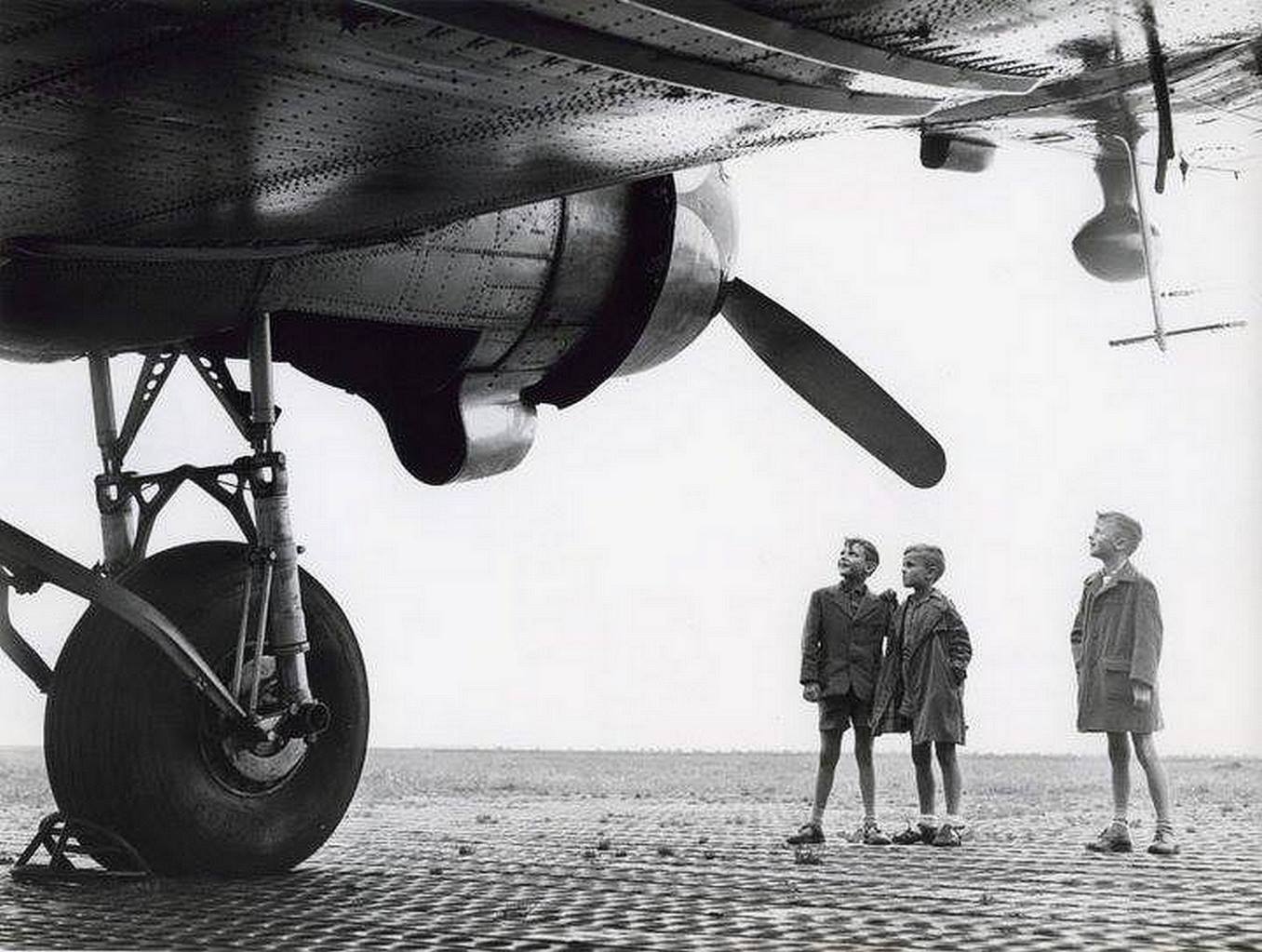
General Clay orders what became the “Little Lift”. The first of 10 C-47’s called “Clays Pigeons” of the 61st Troop Carrier Squadron flies the first mission carrying supplies for our garrison and their dependents. They fly continuously to supply 80 tons a day for 10 days. The British do the same.
GATOW AIR DISASTER
3 APRIL 1948
A Soviet Yak-3 propeller fighter plane collides with a British European Airways (BEA) Vickers VC.1B Viking airliner flying into Berlins Gatow airport. Fourteen passengers and the crew of the airliner are killed. The Yak pilot is killed as well. The Soviets denies responsibility and refuses to recognize evidence by all who witnessed the tragic event who are not Russian. Later dubbed the Gatow Air Disaster, this event exacerbated tensions between the Soviets and the other allied powers.
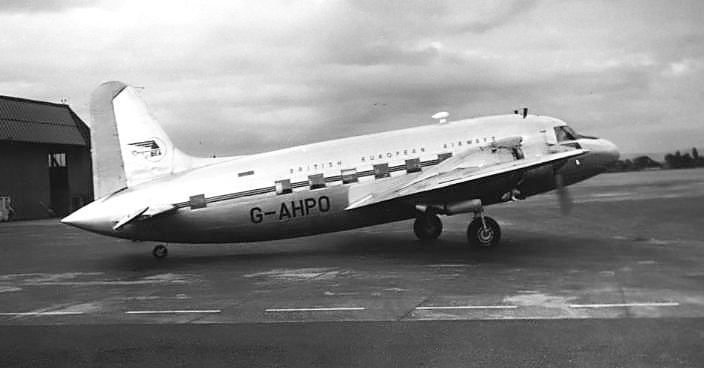
BEA Viking 1B
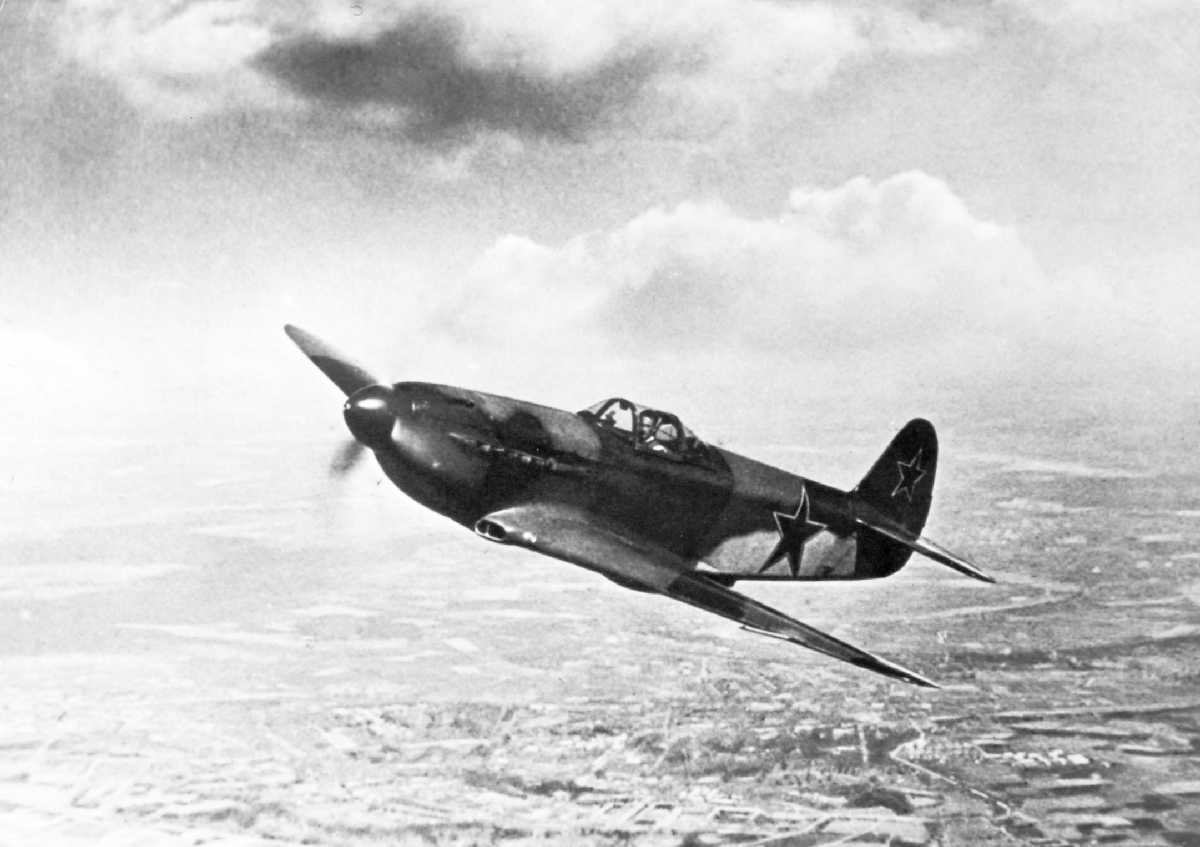
Soviet Yak-3
RAIL ROUTES CLOSED
5 APRIL 1948
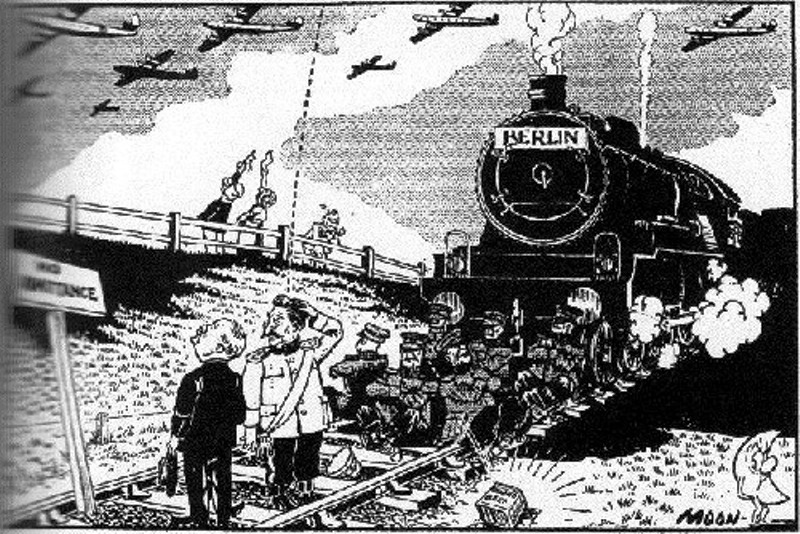
Rail routes to Berlin-Hamburg and Berlin-Bavaria are closed leaving only the Berlin- Helmstead line open. The British military freight-train service between the West and Berlin is barred by Soviet authorities unless each individual item of cargo has Russian clearance.
RAIL LINES OPENED AGAIN
12 APRIL 1948

The Soviets being again to allow trains through to Berlin but General Clay continues the "Little Lift" with 20 C-47 missions a day. In case of another ground access stoppage both American and British increase the daily ground shipments of coal and flour to build up Berlin supplies. Two thirds of the supplies go in by barge from the British zone.
TENSION HEIGHTENED IN BERLIN
17 APRIL 1948
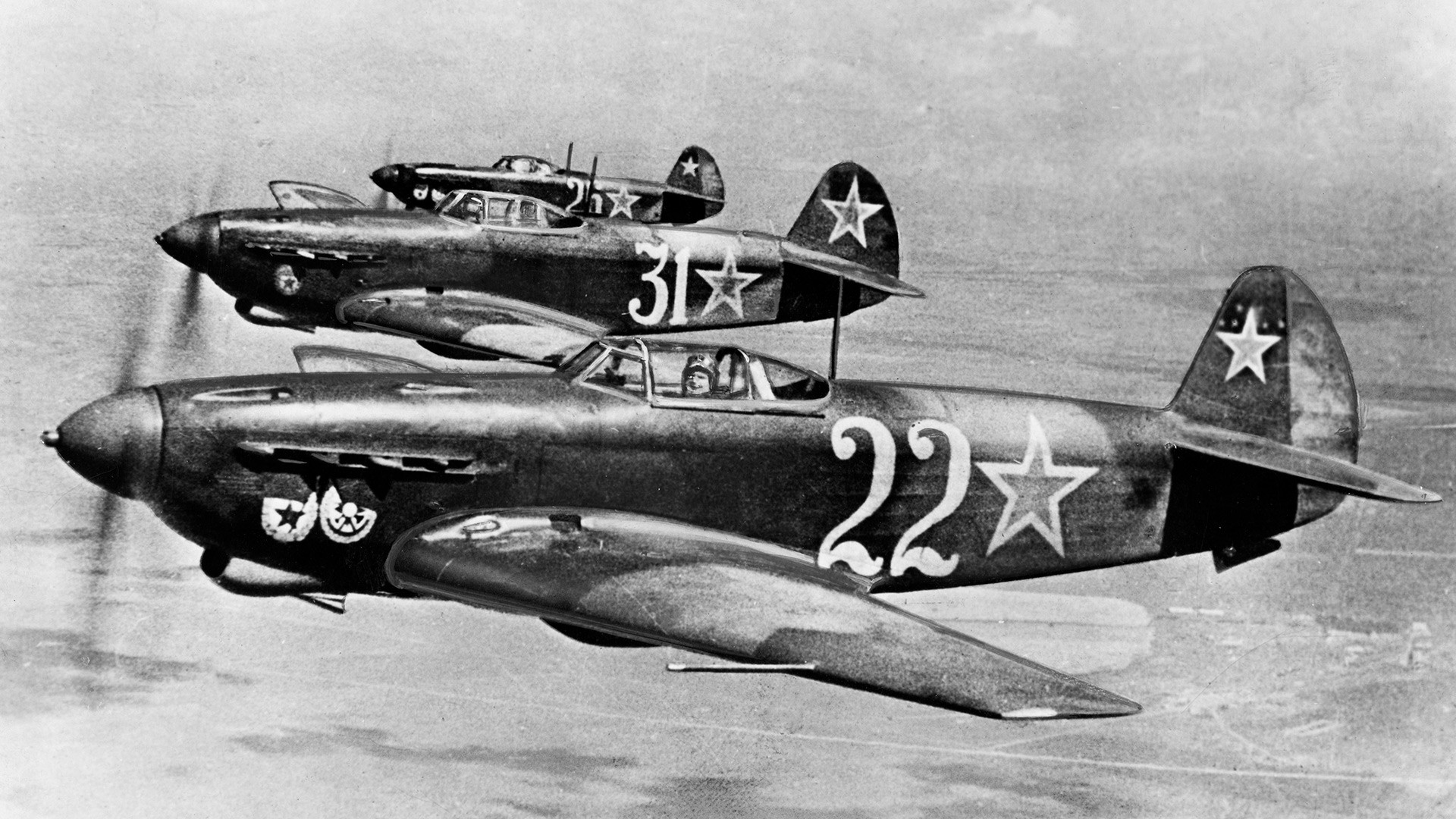
Soviet fighters make passes at aircraft in the air corridor. Tensions in Berlin are high as kidnapping and theft by Soviets continue in the allied sectors. The Russians advertise that the allies will leave Berlin soon.
FRANCE MERGES ITS ZONES
20 APRIL 1948
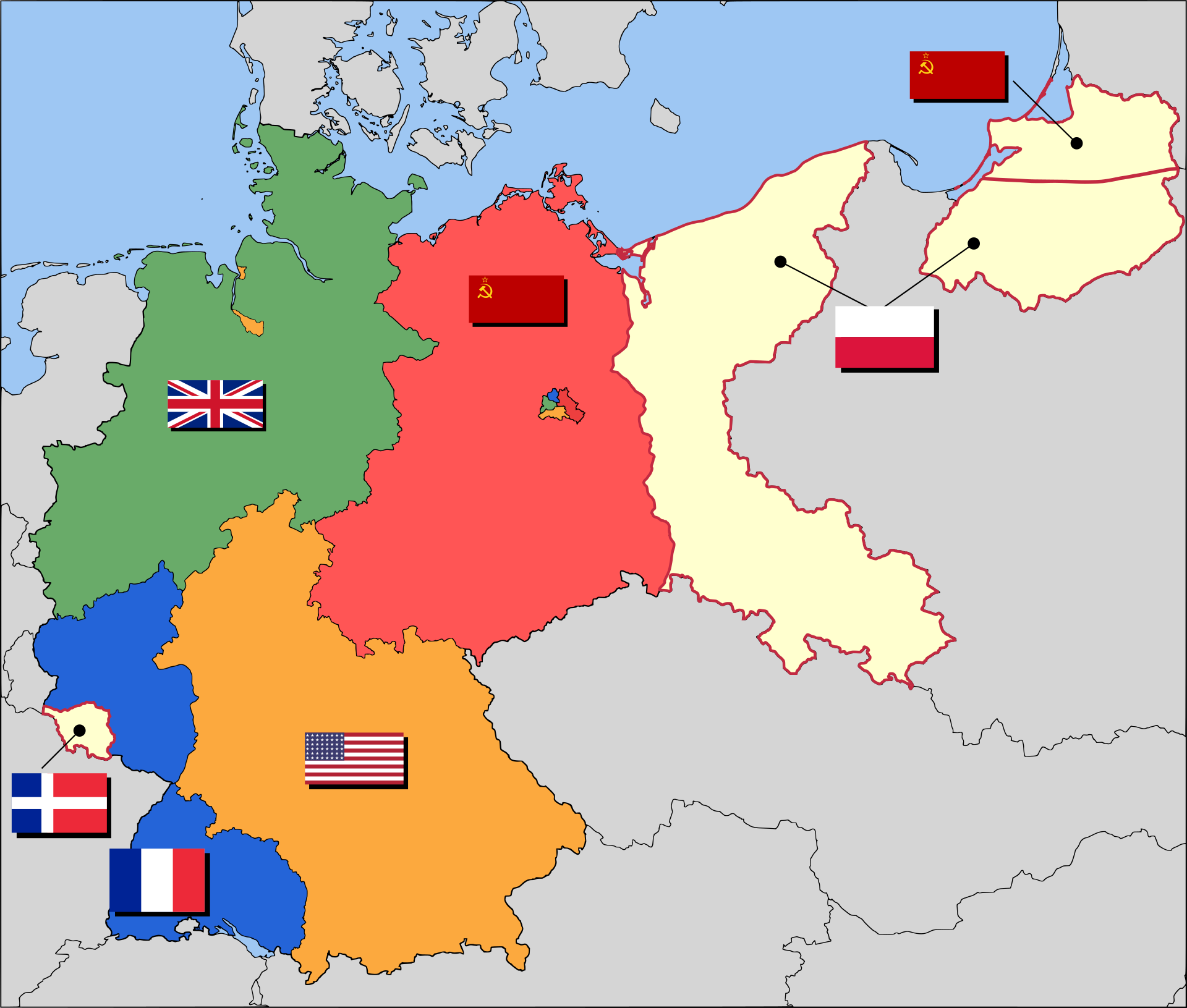
France agrees to merge their German zone with the British and American zones as the allies reconvene the London conference toward a West German and West Berlin government.
MATS ESTABLISHED
1 JUNE 1948
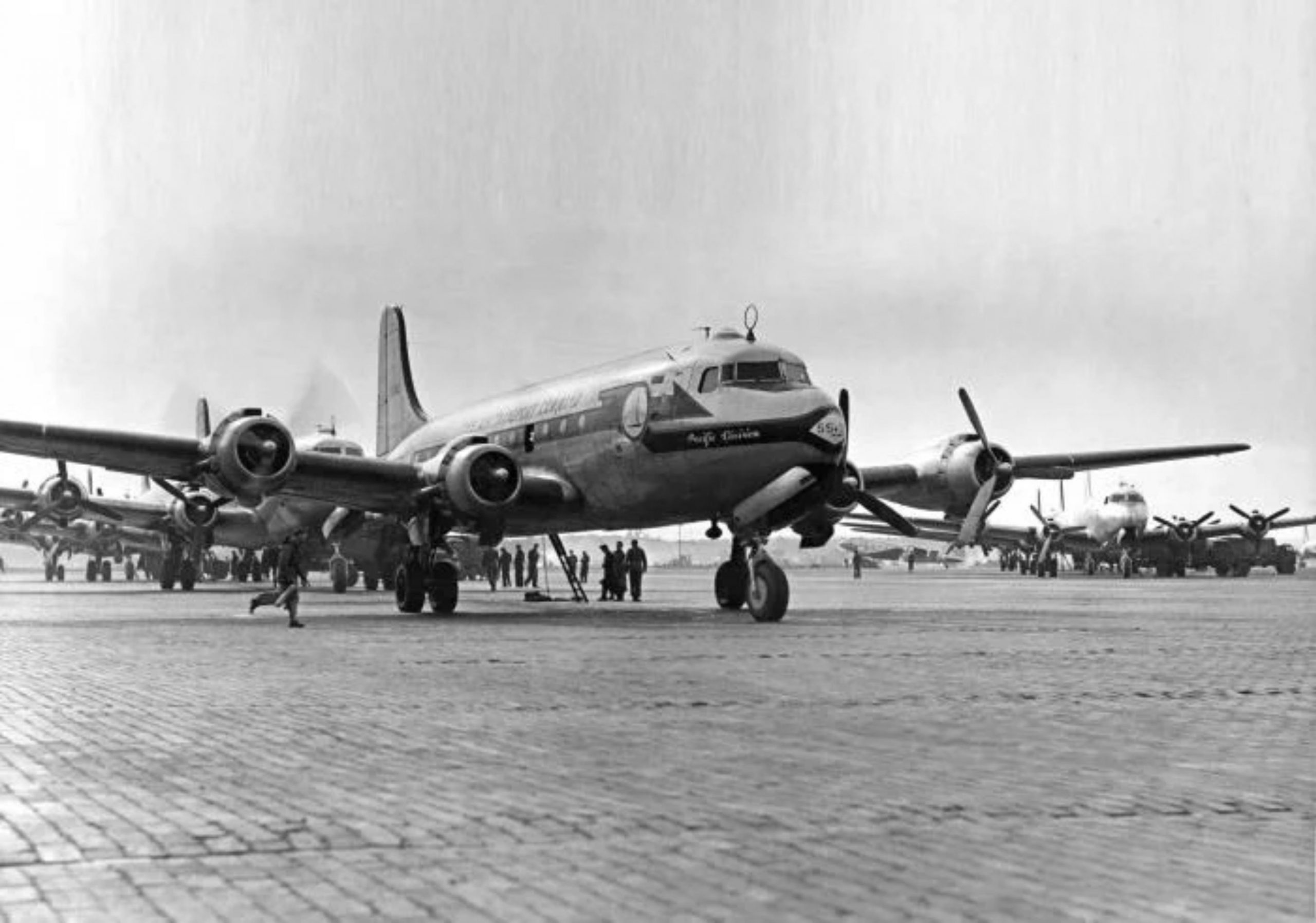
Military Air Transport Service (MATS) is established by the Pentagon combining the transport aircraft assets of the new Air Force and the Navy.
MAIL WAGONS SEIZED
4 JUNE 1948
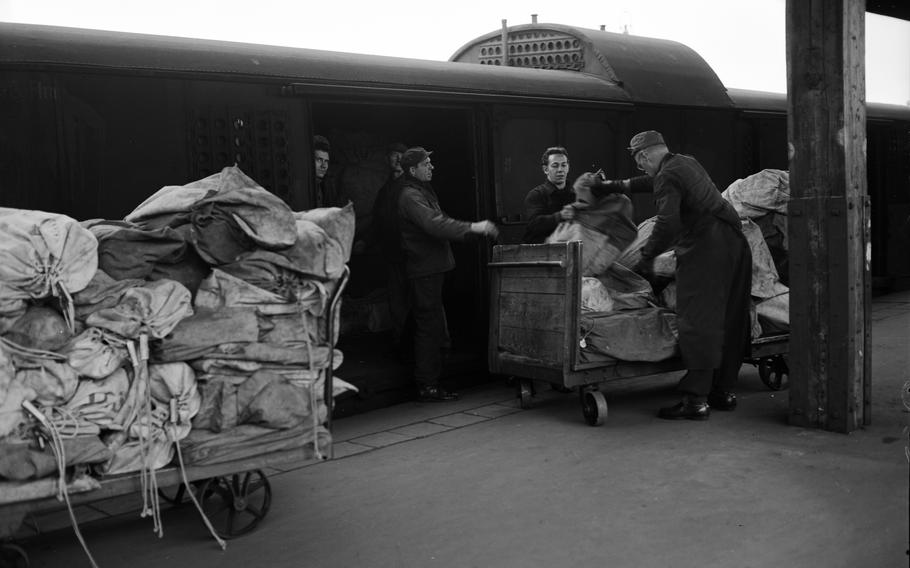
Twenty six railroad wagons of Berlin Mail for the west are seized by Russian Officials.
CONTINUED INTERFERENCE
10 JUNE 1948
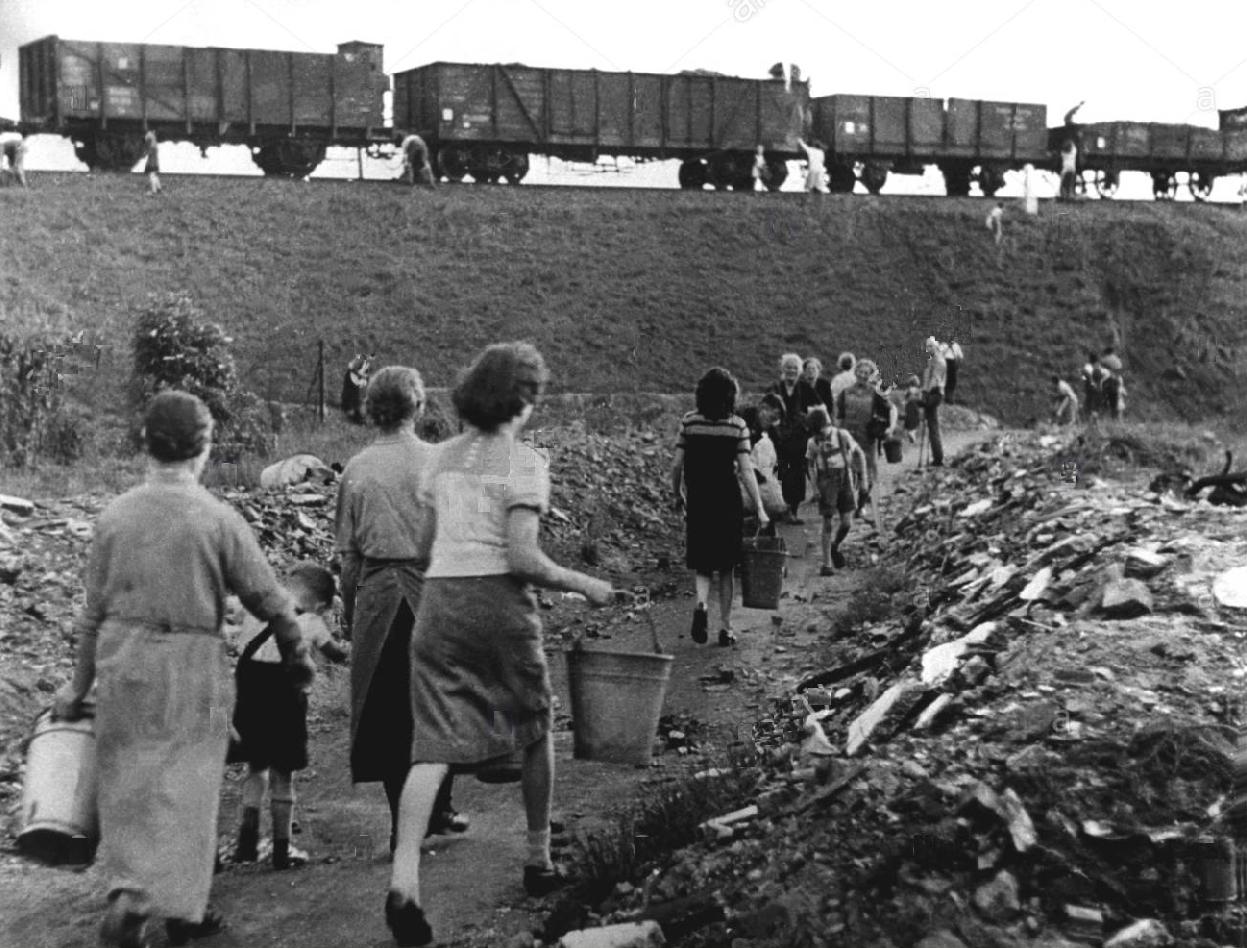
The Soviets continue to interfere with all surface traffic to Berlin. Five coal trains to Berlin are stopped. Washington and London deny General Clay’s request to have a tank column force its way to Berlin.
DIPLOMATIC BREAK
16 JUNE 1948
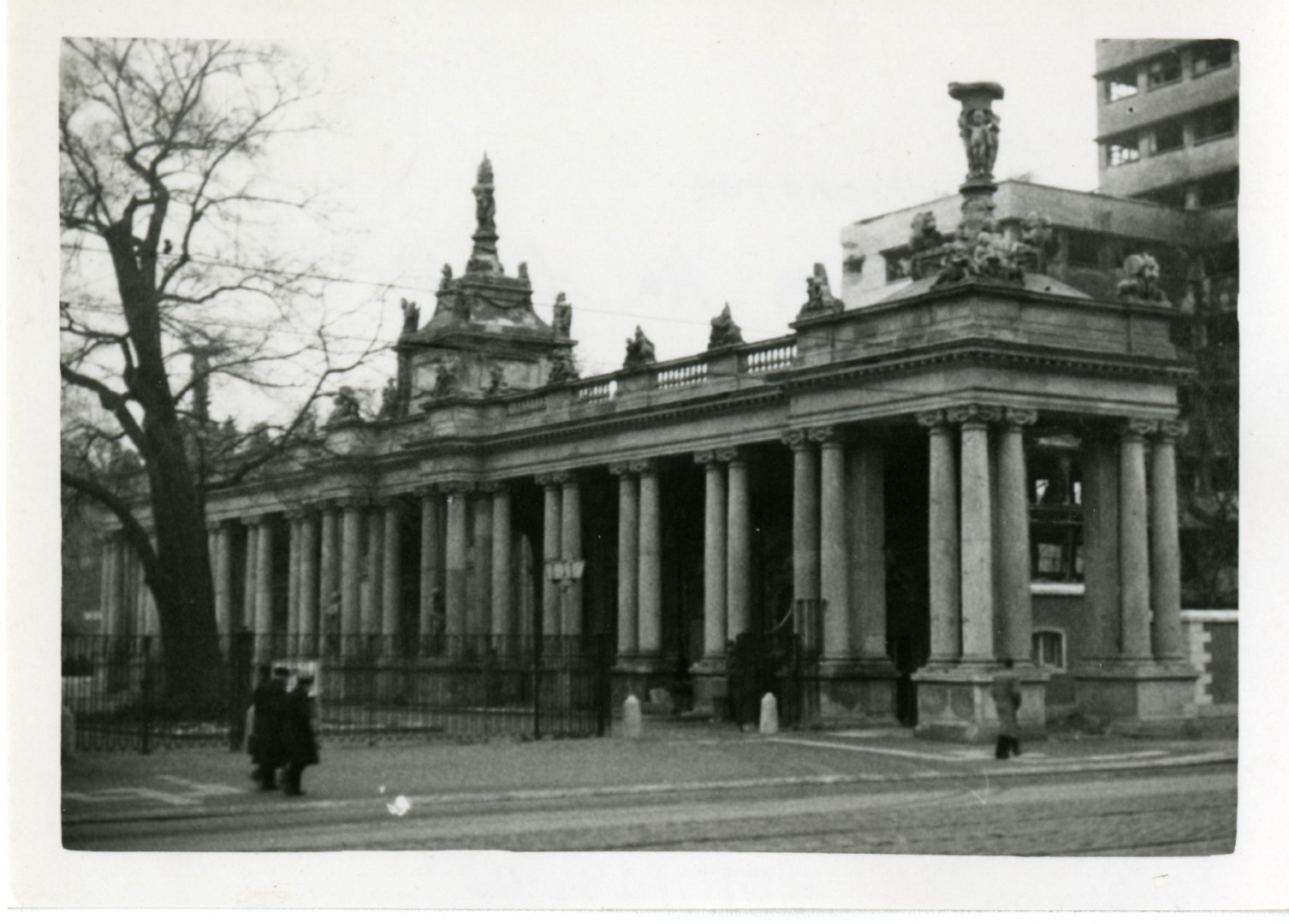
Soviets officials walk out of the Berlin Kommandatura Council and the political break is complete. The West German provisional government announces it will have 1500 offices to exchange a new West German currency ready on a Sunday in the near future.
ALL TRAFFIC HALTED
18 JUNE 1948
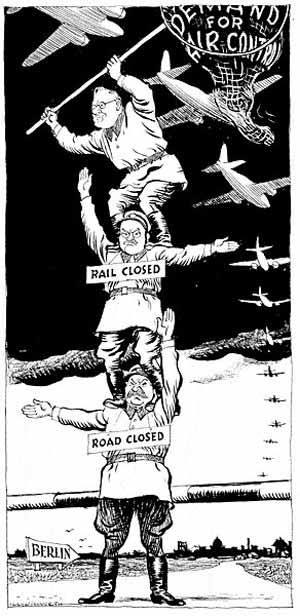
Allies announce currency reform in West Berlin, Soviets refuse to participate. All West to East road traffic is halted. Russians finally suspend passenger trains, road traffic, and mail to and from Berlin
SOVIETS CUT POWER
19 JUNE 1948
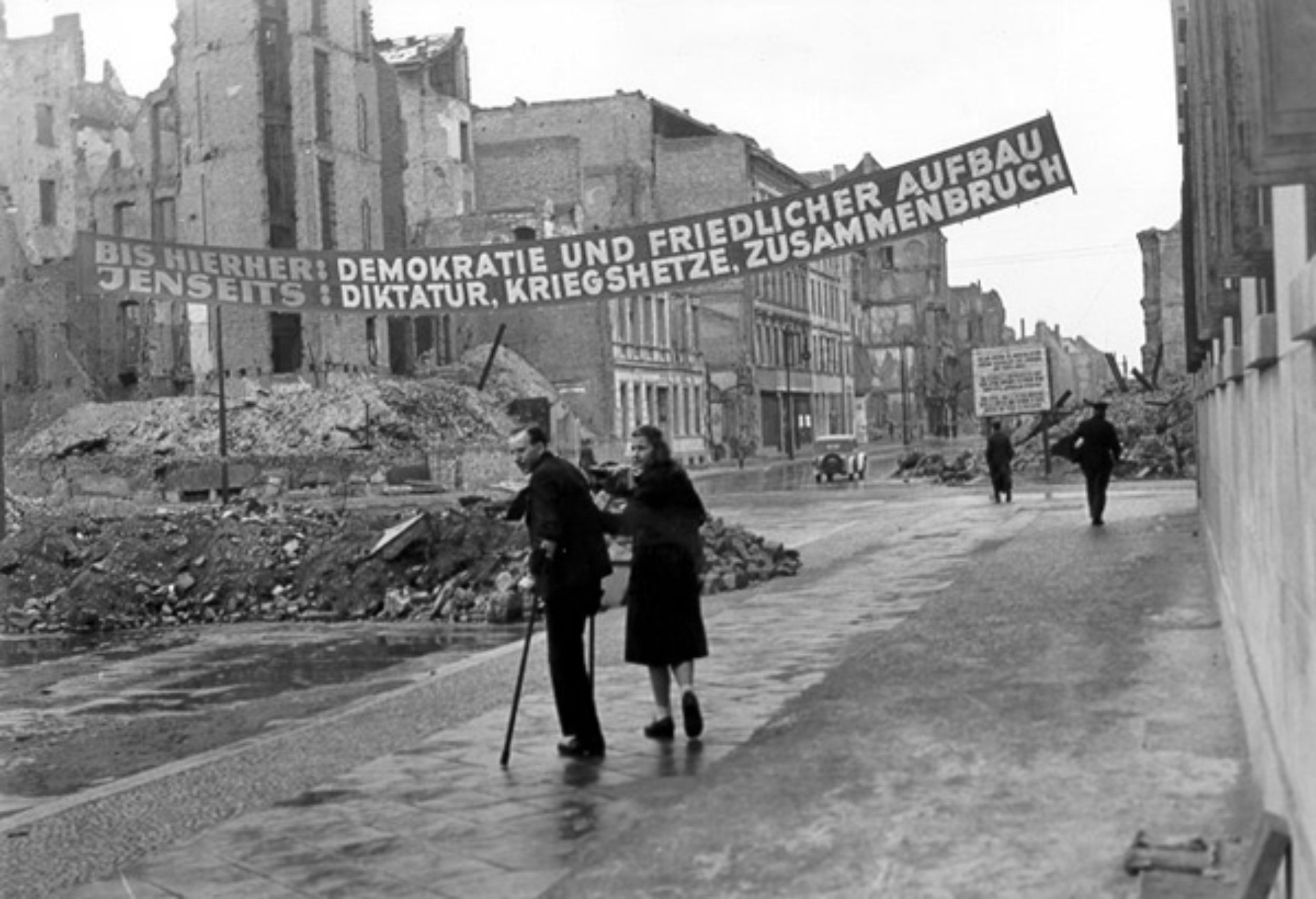
Soviets cut off food and electricity to allied sectors. Power comes back on for just 4 hours every day. Two hours during the day and two hours after midnight. Berlins receive no notice of when it will be turned on.
THE PLAN IS PRESENTED
24 JUNE 1948
British Air Commodore Rex Waite presents a detailed plan to General Clay for feeding West Berlin population using aircraft Clay then phones General Curtiss Lemay to begin an airlift.
Soviets serve notice they will not supply food to Western Sectors of Berlin. In retaliation for currency reform. Soviets continue to tighten all freight, passenger, and water traffic to Berlin.
American Congress agrees to accept 200,000 displaced persons from Europe over the next two years.
THE AIRLIFT BEGINS
26 JUNE 1948

Official start of The Berlin Airlift to supply the civilian population of West Berlin. Berliners have access to water and some sections have adequate plumbing.
More than ten C- 47’s leave Wiesbaden and make 32 flights carrying 80 tons. On orders from General Curtiss Le May 87 C-47’s and 2 European C-54’s head for Wiesbaden Air Base & Rhein-Main Air Base near Frankfort to officially start the airlift. Aircraft are from European Air Transport Service and have “EATS” painted on the front by the cockpit.
OPERATION VITTLES
29 JUNE 1948
Headquarters USAFE creates Berlin Airlift Task Force. General Joseph Smith at Wiesbaden is assigned commander and names it “Operation Vittles”. British Operation “Knicker” begins with a C-47 “Dakota” arriving at Gatow from Wunsdorf at 0600 Hrs. In the next 24 hours 13 Dakotas fly 44 short tons of food to Berlin.
SUNDERLAND FLYING BOAT
5 JULY 1948
Two squadrons of (RAF) Sunderland flying boats begin operating from RAF Finkenwerder on the Elbe River. These corrosion resistant aircraft resist their cargo of salt.
FIRST FATAL CRASH
8 JULY 1948


First fatal accident, a C-54 crashes near Wiesbaden results in death of 1st Lt George B. Smith, 1st Lt. Leland V. Williams, and army civilian employee Karl Von Hagan. The aircraft, fully loaded with goods for Berlin, seemed to have had problems climbing fast enough to clear the Taunus hills and hit the first peak, the Steinkopf, at 2200 hours. It is about 2km North of the City of Koenigstein. The reason for the crash is not known.
George Bates Smith was born on December 26, 1918. He served in the 7234 Food Service Squadron as a First Lieutenant in World War II. Leland V. Williams was born on March 6, 1920 in Tuscola, Texas. He was the son of Otis Williams and Rosa Pearl Williams. Karl Von Hagen (Karl-Victor Hagen) was born in 1912. Karl Victor Hagen was an immigrant from a prominent German Jewish family that lived in Berlin and had a banking business (Bankhaus Hagen & Co.). The family has been in addition stockbrokers in New York for decades and was one of the Banks behind the BMW Company. He was a civilian employee serving with the Department of the Army during the Berlin Airlift.
MORE TIMELINE CONTENT COMING SOON!
Our timeline is still under construction!